
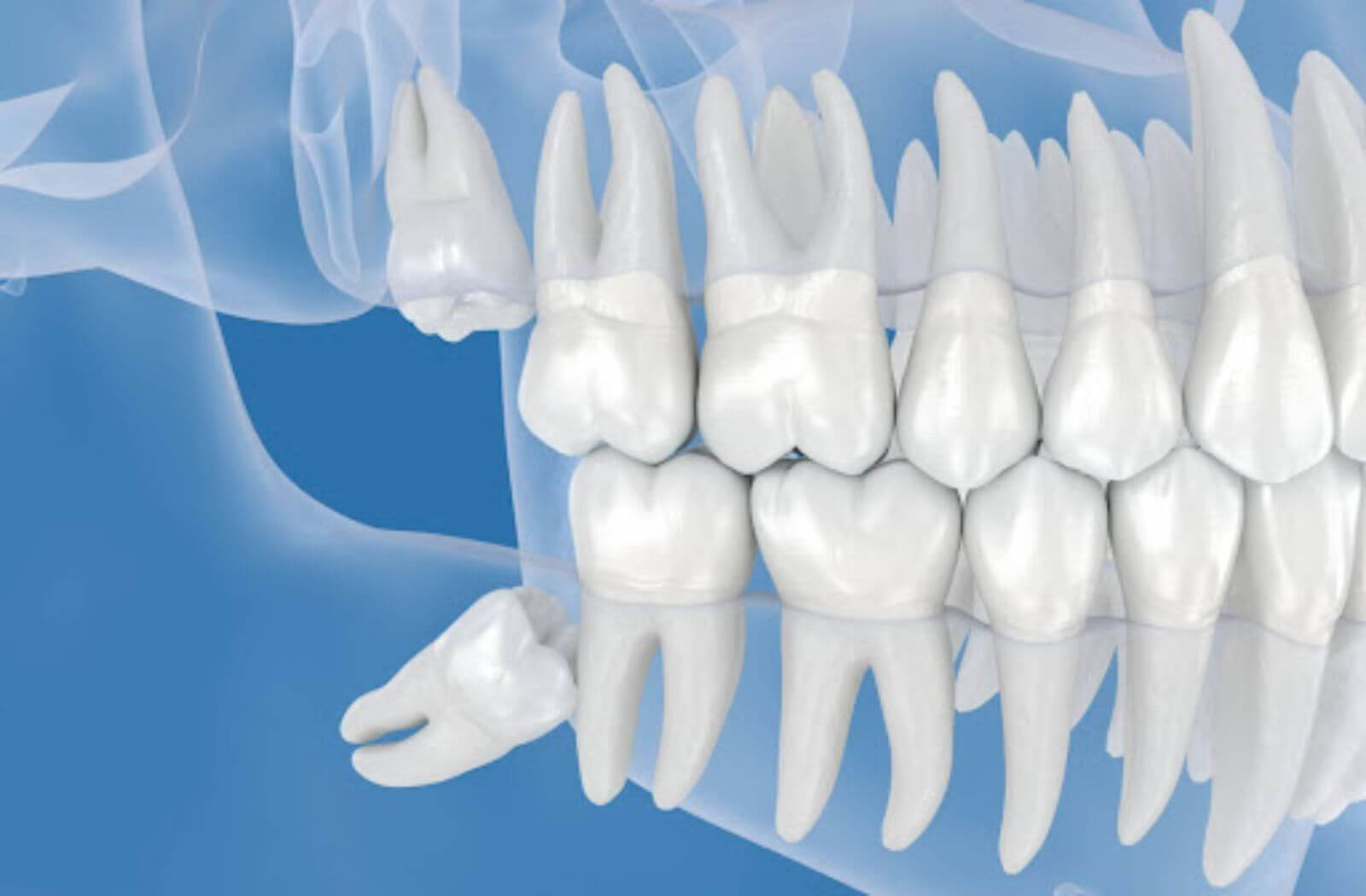
Having your wisdom teeth removed is a common step toward a healthier smile. Afterwards, however, you might wonder how to keep your mouth clean while still following post-operative instructions.
You can begin to brush your teeth very gently about 24 hours after your procedure, making sure to carefully avoid the surgical sites for the first few days. Following a gentle, step-by-step routine helps you feel fresh while protecting your mouth as it heals. It’s all about finding the right balance between cleanliness and care.
Your Procedure & The First 24 Hours
The first day after your procedure should be dedicated to rest and recovery. Your main job is to let the surgical sites begin to heal properly, so your oral hygiene routine will look very different during this time.
What to Do on Day 1
During the first 24 hours, you should not brush your teeth, rinse your mouth, or spit. These actions can dislodge the blood clot that forms in the extraction site. This blood clot acts as a natural bandage, so it’s important to make sure that it stays safe.
Manage Swelling & Discomfort
Focus on getting plenty of rest and make sure to follow any post-operative instructions that we provide. This often includes using ice packs on your cheeks to help with swelling. Taking any prescribed medication as directed can also help you stay comfortable.
A Gentle Start to Oral Hygiene
Once the first 24 hours have passed, you can reintroduce a simple cleaning routine. This routine is designed to gently clean your mouth without disturbing the healing sockets. A simple salt water rinse is a great way to start.
How to Use a Salt Water Rinse
Starting on day two, you can begin to rinse your mouth to help keep the area clean. Follow these simple steps:
- Mix half a teaspoon of salt into a cup of warm water.
- Gently move the solution around your mouth for about 30 seconds.
- Let the water fall out of your mouth into the sink—do not spit forcefully.
- You can repeat this two to three times a day, especially after you eat.
How to Brush Your Teeth Safely
You can typically start brushing again after the first 24 hours, but you have to be careful. Avoid brushing the extraction site or the teeth next to it. Patience and a gentle touch are important.
Step-by-Step Brush Guide
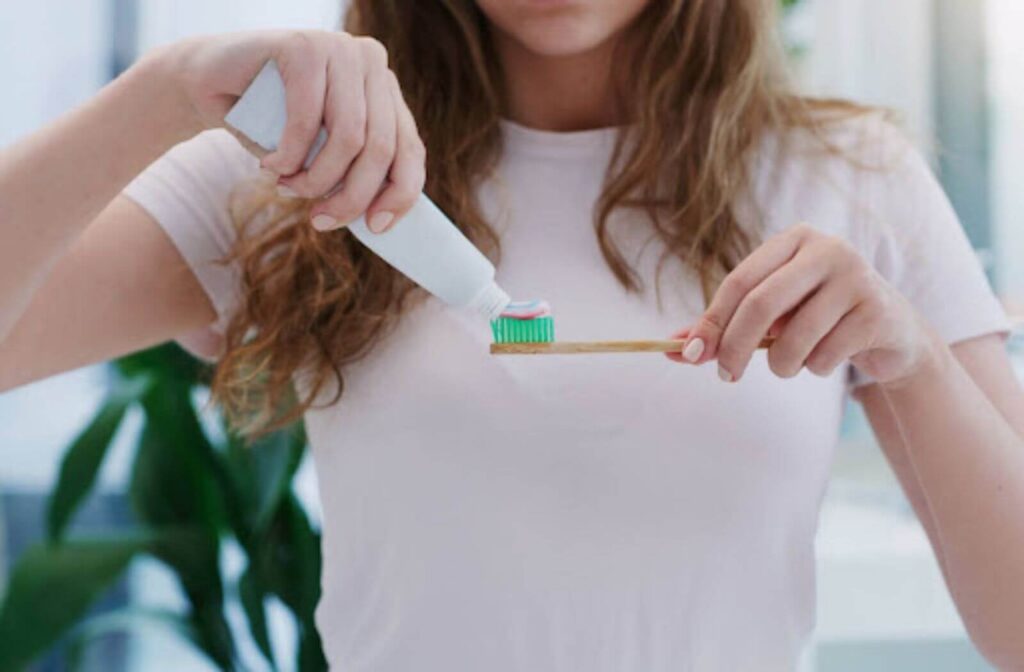
When you pick up your toothbrush for the first time, take it slow. Your mouth is still healing, so a delicate approach is needed. Here’s what to do:
- Use a toothbrush with soft bristles to avoid irritation.
- Avoid the extraction site and adjacent areas. Brush your other teeth as you normally would, but use slow and gentle motions.
- Do not spit out the toothpaste—instead, let it dribble from your mouth and rinse very gently with water.
Brush the Extraction Sites Later
You can start to gently brush the molar teeth next to the surgical sites after about three or four days. Always use gentle, careful motions and stop if you feel any discomfort. Listening to your body is an important part of the healing process.
The Right Time for Toothpaste & Mouthwash
You can use toothpaste when you resume brushing your teeth. However, some other oral care products should wait a bit longer to be reintroduced.
When to Use Toothpaste
Using a small amount of your regular toothpaste is fine. Just remember not to spit forcefully for the first few days after your procedure.
When to Use Mouthwash
You should avoid commercial, alcohol-based mouthwashes for at least one week after your procedure. The alcohol can irritate the healing tissue and slow down your recovery. Stick to the prescribed or salt water rinses instead for a gentler clean.
Watch for These Signs During Recovery
Your mouth does a lot of healing in the first week. It’s helpful to know what to expect and when you might need to contact your dentist.
Common Recovery Symptoms
As your body heals, you may notice a few common and temporary changes. These are typically part of the normal recovery process. You might experience:
- Mild swelling and bruising on your cheeks
- Some jaw stiffness or soreness
- Minor discomfort that improves with time
Signs That Need Attention
While your mouth is healing, try to be aware of your body and how you feel. Give your dental team a call if you notice any of the following symptoms:
- Severe pain that isn’t helped by medication
- Swelling that increases after the third day
- A bad taste or smell coming from the extraction site
- A fever or feeling unwell
Proper aftercare is key to a smooth and comfortable recovery. Your follow-up appointment allows our team to check on your healing process and answer any questions you have. This visit is a great time to confirm that everything is on the right track.
Your Trusted Dental Team
Regular dental check-ups help keep your smile healthy for years to come. At Cool Dental, we believe that teamwork makes the dream work—and you’re a part of our team.
If you have any concerns during your recovery, your friendly dentist in Lethbridge is here to provide guidance and support for your oral health journey. So contact us today!